
Can EMDR Help With Anxiety? How EMDR Therapy Works
Nov 02, 2026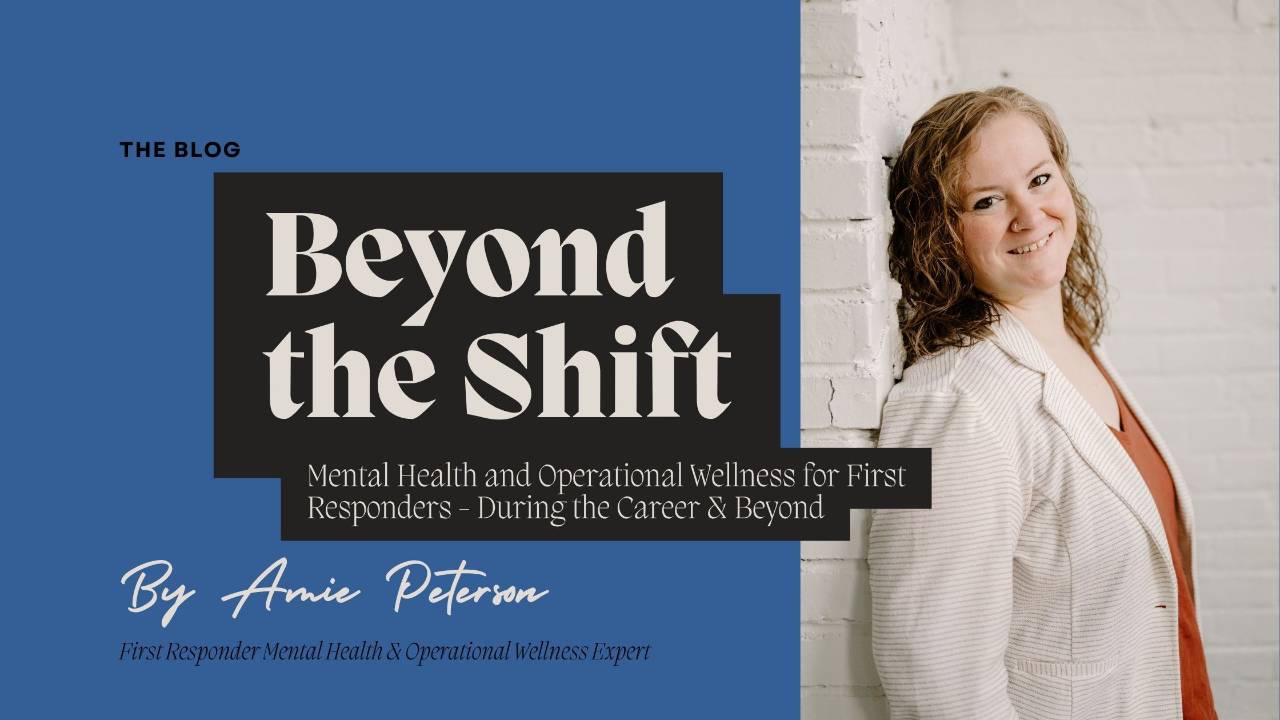
Yes, EMDR therapy may help with anxiety, particularly when anxious reactions are connected to distressing experiences, trauma, or memories that continue influencing how someone responds to stress. EMDR, which stands for Eye Movement Desensitization and Reprocessing, is an evidence-based treatment for PTSD that is also used in some circumstances to address anxiety-related concerns. However, EMDR isn't automatically the best treatment for every type of anxiety, and the research supporting its use for anxiety disorders is less established than the evidence for PTSD.
Anxiety doesn't always look like panic attacks or someone who appears visibly nervous. Sometimes it looks like a person who is constantly preparing for the worst, struggles to relax, replays conversations, or feels responsible for anticipating every possible problem.
For first responders and healthcare professionals, that can be particularly complicated. Being alert, anticipating danger, and thinking several steps ahead may be necessary parts of the job. The difficulty begins when those same responses continue long after the shift ends.
At Thin Line Therapy 206, we work with individuals experiencing trauma, anxiety, hypervigilance, occupational stress, and other concerns that affect life outside of work. I'm Amie Peterson, LMHC, an EMDRIA Certified EMDR Therapist who has worked in behavioral health since 2008. One of the distinctions I emphasize in trauma treatment is that being able to function professionally doesn't necessarily mean someone is doing well personally.
What Is EMDR Therapy, and How Does It Work for Anxiety?
EMDR is a structured psychotherapy approach that helps people process distressing memories and the beliefs, emotions, and physical reactions associated with them. It was originally developed to treat trauma-related symptoms and is now recognized as an effective treatment for PTSD.
During EMDR, a trained therapist helps a client briefly focus on aspects of a distressing memory while engaging in bilateral stimulation, often through guided eye movements, alternating sounds, or tactile stimulation.
The goal is to reduce the distress associated with the memory and help the person develop a more adaptive understanding of what happened.
EMDR does not erase memories, and it doesn't require someone to forget or minimize difficult experiences. Instead, treatment focuses on changing how those experiences continue affecting the person in the present.
The VA National Center for PTSD identifies EMDR as one of the recommended trauma-focused psychotherapies for PTSD.
Why Would Processing a Memory Help With Anxiety?
Anxiety can sometimes develop or intensify after experiences that leave someone feeling unsafe, powerless, embarrassed, or unable to trust their own judgment.
For example, someone involved in a serious vehicle collision may experience anxiety when driving, even after recovering physically. A healthcare professional who experienced a frightening emergency may become unusually distressed when encountering similar circumstances. A first responder may notice increased anxiety after repeated exposure to unpredictable or dangerous situations.
These reactions can involve learned associations between past experiences and present-day reminders.
When anxiety is connected to distressing memories, EMDR may help reduce the emotional intensity of those memories and the reactions associated with them.
However, not all anxiety is trauma-related. Generalized anxiety, panic disorder, obsessive-compulsive symptoms, medical conditions, and other concerns may require different or additional treatment approaches.
Do You Have to Have PTSD to Benefit From EMDR?
No. A formal PTSD diagnosis is not always necessary for a clinician to consider EMDR therapy.
This is particularly relevant for first responders and high-stress professionals who may have experienced years of difficult situations without identifying one specific event as traumatic.
In my work with first responders, I frequently encounter the belief that experiencing something difficult is simply part of the profession. People may minimize the impact of an experience because they've encountered situations they consider worse, or because they continued performing their duties afterward.
But trauma-related difficulties don't always present as obvious flashbacks or nightmares.
Someone may continue functioning at a high professional level while experiencing persistent irritability, difficulty sleeping, heightened alertness, avoidance, or emotional disconnection at home.
Those symptoms deserve attention whether or not someone meets the full diagnostic criteria for PTSD.
For a more detailed explanation of how trauma treatment applies to emergency services professionals, visit our EMDR for First Responders resource.
Can EMDR Help With Anxiety Caused by Cumulative Stress?
EMDR may be considered when anxiety is connected to distressing experiences that have accumulated over time, although the treatment plan should be based on a careful clinical assessment.
Not every first responder identifies one incident that changed everything.
Sometimes it's years of responding to serious injuries, pediatric emergencies, fatalities, violence, or situations involving significant responsibility and uncertainty.
Individually, these experiences may have seemed manageable. Over time, however, some people notice changes in their sleep, emotional responses, sense of safety, or ability to disconnect from work.
What Does Cumulative Trauma Look Like Outside of Work?
Consider a dispatcher who spends an entire shift listening to emergencies unfold without knowing how every situation ends. Or a firefighter who has become accustomed to anticipating danger even while spending time with family.
A nurse may replay decisions made during a difficult shift, while a corrections officer may find it difficult to stop monitoring their surroundings in public.
These examples don't automatically indicate PTSD or another mental health diagnosis. They illustrate how occupational experiences can influence the way people respond to everyday situations.
When anxiety is connected to identifiable distressing experiences, EMDR may be one treatment option. When ongoing stressors, inadequate sleep, or workplace conditions are the primary concern, treatment may also need to address those factors directly.
Therapy shouldn't be about teaching someone to tolerate an unhealthy situation indefinitely. It should also help them recognize what needs to change.
What Happens During EMDR Therapy for Anxiety?
EMDR follows a structured eight-phase treatment approach. Contrary to what some people imagine, treatment doesn't begin with immediately revisiting the most distressing experience of someone's life.
A qualified therapist first evaluates the client's symptoms, history, current circumstances, coping resources, and readiness for memory processing.
1. Understanding Your History and Anxiety Symptoms
The therapist explores when anxiety occurs, what seems to trigger it, how it affects daily life, and whether distressing experiences may be contributing.
For first responders, this assessment should also consider occupational exposure, shift work, sleep deprivation, confidentiality concerns, and the difference between appropriate professional alertness and symptoms that interfere with personal functioning.
2. Preparation and Stabilization
Before memory processing, the therapist explains the EMDR process and helps the client develop ways to manage emotional distress.
This may include grounding strategies, identifying supportive resources, and establishing methods for staying oriented to the present.
Preparation is not something to rush through simply because someone wants to start processing difficult memories.
3. Identifying and Processing Distressing Memories
When clinically appropriate, the therapist helps identify memories, beliefs, emotions, and physical sensations connected to the presenting concerns.
Bilateral stimulation is incorporated while the client attends to aspects of the memory. The therapist monitors the client's responses and adjusts the process according to their needs.
Clients are not required to provide a detailed verbal account of every aspect of a traumatic event.
4. Reevaluation and Continued Treatment
EMDR also involves evaluating whether distress has changed, whether related memories require attention, and how the person responds to situations that previously triggered anxiety.
The therapist may address additional memories, present-day triggers, or anticipated future situations as appropriate.
The number of sessions varies considerably. There is no responsible way to promise that a particular anxiety concern will resolve within a fixed number of appointments.
What Are the Dangers or Risks of EMDR Therapy?
EMDR is generally considered a well-established treatment for PTSD when delivered appropriately, but it is not free from potential discomfort or adverse reactions.
Because treatment involves engaging with distressing experiences, some clients may temporarily experience increased emotional distress, fatigue, vivid dreams, or the emergence of additional memories and feelings.
These reactions do not necessarily indicate that treatment is harmful, but they should be discussed with the treating clinician.
The potential risks of EMDR therapy also depend on the individual's clinical presentation, treatment readiness, and whether the therapist has the appropriate training and experience.
For people experiencing significant dissociation, difficulty maintaining emotional stability, active safety concerns, or complex psychiatric symptoms, additional assessment, preparation, or coordinated treatment may be necessary.
EMDR should not be approached as a procedure that simply needs to be completed as quickly as possible.
A thoughtful treatment plan matters more than rushing toward memory processing.
What Are the After Effects of EMDR Therapy?
Experiences following EMDR sessions vary.
Some people report feeling tired or emotionally sensitive after processing distressing material. Others notice changes in how they think about an experience, remember additional details, or become more aware of reactions they hadn't previously recognized.
Some clients notice relatively little between sessions.
There is no single reaction that proves EMDR is working, and feeling worse after a session is not a requirement for meaningful treatment.
At Thin Line Therapy 206, we emphasize preparation, individualized pacing, and communication about what clients experience during and between appointments.
If someone experiences significant or persistent distress after a session, they should communicate with their therapist rather than assuming that the reaction is simply part of the process.
Can EMDR Therapy Help With Complex PTSD and Anxiety?
EMDR may be part of treatment for individuals experiencing complex trauma or complex PTSD, but treatment often requires careful attention to emotional regulation, dissociation, relationship difficulties, and safety.
Complex PTSD is recognized as a distinct diagnosis in the ICD-11. It involves core PTSD symptoms along with additional difficulties involving emotional regulation, self-concept, and relationships.
For individuals with prolonged or repeated trauma histories, anxiety may be connected to longstanding patterns of feeling unsafe, anticipating rejection, or remaining constantly alert to potential threats.
Treatment planning should account for the person's history, current stability, and individual needs.
Some individuals may benefit from extended preparation, adaptations to standard EMDR procedures, or other therapeutic interventions alongside trauma processing.
EMDR is not automatically appropriate for every person with complex PTSD, and it should not be presented as a guaranteed solution for complex trauma.
Can You Work With an EMDR Therapist Online?
Yes. EMDR therapy can be provided through telehealth when the clinician is appropriately trained, the client is located in a jurisdiction where the clinician may legally practice, and remote treatment is clinically appropriate.
Online EMDR generally follows the same overall treatment framework as in-person EMDR, although the methods used for bilateral stimulation and session management may differ.
For first responders, healthcare professionals, and others with unpredictable schedules, telehealth can reduce some of the logistical barriers to accessing specialized treatment.
However, privacy, internet reliability, clinical safety, and the ability to participate without interruptions are important considerations.
Thin Line Therapy 206 provides telehealth counseling for eligible clients in Washington, Oregon, and Minnesota, subject to clinician licensure and availability. This includes individuals living in Seattle and other Washington communities who may not have convenient access to a clinician specializing in first responder trauma.
We also offer in-person EMDR Intensives in Walla Walla, Washington, for individuals who may benefit from a more concentrated treatment format following an appropriate clinical assessment.
For more information about remote EMDR treatment, the EMDR International Association provides professional education and resources about EMDR therapy.
Is EMDR Therapy a Good Fit for You?
EMDR may be worth exploring if your anxiety is connected to distressing memories, traumatic experiences, or persistent emotional and physical reactions that haven't improved with other approaches.
It may also be appropriate for people who experience trauma-related symptoms without meeting the full criteria for PTSD.
However, EMDR is not necessarily the first choice for every anxiety concern.
For example, cognitive behavioral therapy and other evidence-based treatments may be more appropriate for certain anxiety disorders. The National Institute of Mental Health provides information about anxiety disorders and established treatment options.
Some people may benefit from medication evaluation, treatment addressing sleep or medical concerns, or a combination of approaches.
If someone is experiencing significant instability, ongoing danger, or symptoms that interfere with their ability to remain grounded during treatment, additional preparation or other interventions may be necessary before EMDR memory processing.
The best starting point is a thorough clinical assessment rather than assuming that one treatment approach is appropriate for everyone.
Frequently Asked Questions About EMDR and Anxiety
Can EMDR help with anxiety even if I don't have PTSD?
Yes, EMDR may be considered for anxiety associated with distressing experiences even when someone does not meet the diagnostic criteria for PTSD. However, the evidence supporting EMDR for PTSD is stronger than the evidence for anxiety disorders more broadly. A qualified clinician can evaluate whether EMDR or another treatment approach is more appropriate.
Is EMDR better than traditional talk therapy for anxiety?
Not necessarily. EMDR and other therapies address concerns through different methods, and the most appropriate treatment depends on the diagnosis, symptoms, history, and individual preferences. Cognitive behavioral therapy has substantial evidence supporting its effectiveness for many anxiety disorders. EMDR may be particularly relevant when distressing memories contribute to current symptoms.
Can EMDR make anxiety worse before it gets better?
Some people experience temporary increases in distress or emotional sensitivity during trauma-focused treatment. However, worsening symptoms should not be treated as an expected or necessary sign of progress. A trained EMDR therapist should monitor responses, adjust treatment when needed, and help clients manage distress during and between sessions.
How many EMDR sessions does it take to help anxiety?
There is no universal number of EMDR sessions needed to address anxiety. Treatment length depends on the concerns being treated, the complexity of the person's history, their readiness for processing, and their response to treatment. Some situations require relatively focused work, while others involve longer assessment, preparation, and treatment.
Can I receive EMDR therapy online in Washington?
Yes. Online EMDR therapy is available through appropriately licensed and trained clinicians serving Washington residents. Thin Line Therapy 206 provides telehealth services to eligible clients throughout Washington, including Seattle, subject to clinician availability and clinical appropriateness. In-person EMDR Intensives are also available in Walla Walla for individuals seeking a concentrated treatment format.
Considering EMDR Therapy for Anxiety? Here's Where to Start
If you've been researching what EMDR therapy is and whether it might help with anxiety, the most useful next step is understanding what's contributing to your symptoms.
Anxiety may be connected to trauma, cumulative occupational stress, distressing memories, ongoing life circumstances, or several factors occurring together. Identifying those influences helps determine which treatment approaches are most appropriate.
At Thin Line Therapy 206, we specialize in trauma-informed mental health treatment for first responders, healthcare professionals, veterans, and their families. We understand that someone can appear capable and composed professionally while struggling with anxiety, hypervigilance, sleep difficulties, or emotional exhaustion outside of work.
Our approach is collaborative, individualized, and grounded in evidence-based care. We provide EMDR therapy, traditional counseling, and EMDR Intensive treatment options depending on clinical needs and availability.
If you'd like to understand how EMDR may apply to occupational trauma, visit our EMDR for First Responders specialty page.
You don't have to wait until anxiety becomes unmanageable to explore whether treatment could help.
If you're experiencing a mental health crisis in the United States, call or text 988 for immediate support.
About the Author
Amie Peterson, LMHC, is the founder and Clinical Director of Thin Line Therapy 206, PLLC, a specialty mental health counseling practice based in Walla Walla, Washington. She is an EMDRIA Certified EMDR Therapist with experience in behavioral health since 2008, specializing in trauma treatment and culturally informed mental health care for first responders, healthcare professionals, veterans, and their families. Her work emphasizes individualized, evidence-based treatment that considers the realities of occupational stress and life beyond the job.