
High-Functioning Depression: The Signs That Are Easy to Miss
Nov 05, 2026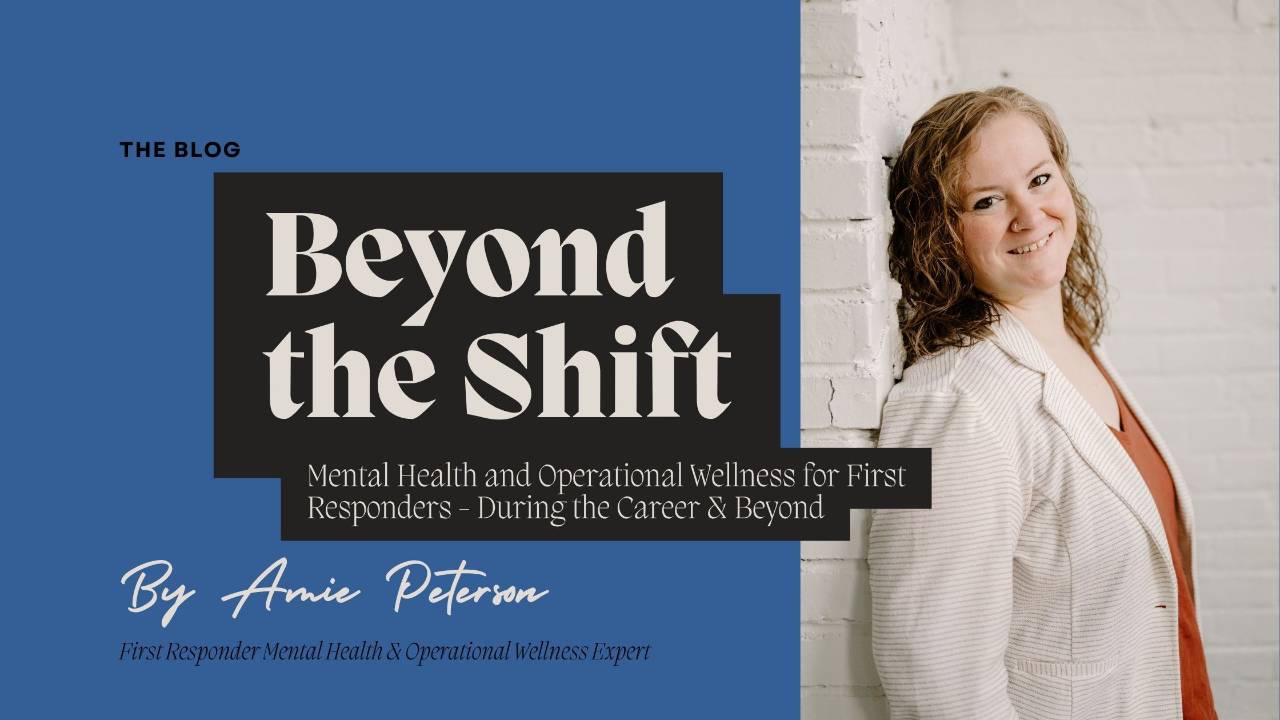
Depression doesn't always look like sadness, crying, or being unable to get out of bed. Sometimes it looks like someone who continues showing up for work, taking care of everyone else, and meeting responsibilities while privately experiencing exhaustion, emotional numbness, irritability, or a loss of interest in life.
For first responders, healthcare professionals, and others working in high-stress occupations, these symptoms can be especially easy to miss. When your job requires you to function under pressure, it's possible to continue performing well professionally while your mental health is suffering.
Being able to function doesn't necessarily mean you're doing well.
What Is High-Functioning Depression?
High-functioning depression isn't an official mental health diagnosis. It's a term commonly used to describe people who experience depressive symptoms while continuing to work, manage responsibilities, and maintain an outward appearance of stability.
Some people who identify with this description may meet the criteria for major depressive disorder or persistent depressive disorder. Others may be experiencing burnout, chronic stress, trauma-related symptoms, or another concern that requires assessment.
I'm Amie Peterson, a Licensed Mental Health Counselor and founder of Thin Line Therapy 206. I've worked in behavioral health since 2008, specializing in trauma treatment and culturally informed mental health care for first responders, healthcare professionals, military veterans, and their families.
In my work with these populations, one of the biggest challenges is recognizing that someone can remain highly capable professionally while struggling significantly outside work.
When people associate depression only with visible sadness or an inability to function, they may overlook symptoms that deserve attention.
What Are the Signs of High-Functioning Depression?
Depression can affect mood, motivation, concentration, sleep, physical energy, and relationships. Not everyone experiences these symptoms in the same way.
For someone working in law enforcement, fire, EMS, dispatch, corrections, healthcare, or another demanding profession, changes may be subtle at first.
1. You're functioning at work but exhausted everywhere else
You may continue meeting expectations during your shift but have little energy remaining afterward.
At work, you're focused on responsibilities, responding to problems, and doing what needs to be done. At home, even simple activities may feel overwhelming.
Fatigue alone doesn't establish depression, particularly when someone works long or irregular hours. But persistent exhaustion combined with other changes in mood or interest deserves attention.
2. You've lost interest in things you used to enjoy
One of the core symptoms of depression is a reduced ability to experience interest or pleasure, sometimes called anhedonia.
You might stop looking forward to hobbies, social activities, family outings, or time with friends. Activities that once helped you recover from work may begin feeling like additional obligations.
You may not feel particularly sad. Instead, everything seems less enjoyable than it used to.
3. You're more irritable than sad
Depression doesn't always involve obvious sadness.
For some adults, irritability, frustration, or a shorter temper may be particularly noticeable. You may become impatient with coworkers, withdraw from family conversations, or feel overwhelmed by minor inconveniences.
In high-stress professions, these changes can be mistaken for ordinary fatigue or occupational frustration.
4. You're emotionally disconnected
You may notice that you don't feel particularly excited, upset, or interested in much of anything.
For first responders and healthcare professionals, emotional distance can sometimes develop as a way of managing repeated exposure to difficult experiences. However, persistent emotional numbness may also occur with depression or trauma-related conditions.
The distinction matters because the appropriate treatment depends on what's contributing to the symptoms.
5. You're increasingly critical of yourself
Depression can involve feelings of worthlessness, guilt, or excessive self-criticism.
For high-achieving professionals, these thoughts may appear as persistent beliefs that you're not doing enough, should be handling things better, or are somehow failing despite evidence of your competence.
You may continue meeting everyone else's expectations while feeling disappointed in yourself.
6. Your sleep or concentration has changed
Depression can affect sleep, memory, concentration, and decision-making.
You might struggle to fall asleep, wake frequently, sleep more than usual, or feel tired regardless of how long you've rested.
For first responders and healthcare professionals, shift work and sleep deprivation can produce similar symptoms. A clinical assessment should consider both mental health and occupational factors rather than assuming one explanation.
7. You're withdrawing from the people closest to you
You may continue interacting appropriately with coworkers and the public while becoming increasingly disconnected from your spouse, children, friends, or other important relationships.
Sometimes withdrawal happens because social interaction feels exhausting. Other times, someone simply doesn't have the interest or emotional energy they previously had.
When this becomes a persistent pattern, it's worth exploring what may be contributing.
Why Is Depression Easy to Miss in First Responders and Healthcare Professionals?
In many high-stress professions, people are expected to remain composed, make difficult decisions, and continue functioning regardless of what they're experiencing personally.
Law enforcement officers, firefighters, paramedics, dispatchers, nurses, physicians, and corrections professionals often work in environments where other people's needs take priority.
These expectations can make it difficult to recognize personal changes in mood, motivation, and emotional well-being.
One of the misconceptions I frequently encounter is that someone must experience a major traumatic event or develop PTSD before their mental health concerns are significant.
People often minimize their experiences with statements like "I've seen worse," "It's just part of the job," or "I should be able to handle this."
But depression doesn't require a single catastrophic event, and someone doesn't have to experience trauma to develop depressive symptoms.
Professional competence is not a reliable measure of someone's emotional well-being.
Is It Depression, Burnout, or Cumulative Trauma?
Depression, burnout, and trauma-related conditions can share symptoms, including fatigue, irritability, sleep disturbances, concentration difficulties, and emotional withdrawal.
However, they aren't the same condition.
Burnout is associated with chronic workplace stress and may involve exhaustion, increased cynicism or mental distance from work, and reduced professional effectiveness.
Depression can affect many areas of life, including activities and relationships outside work. It may involve persistent low mood, loss of interest, guilt, changes in sleep or appetite, and other symptoms.
Trauma-related conditions may involve distressing memories, avoidance, changes in mood or beliefs, and heightened alertness following traumatic experiences.
These concerns can also occur together.
For someone who has spent years responding to emergencies, caring for critically ill patients, or working in unpredictable environments, understanding cumulative occupational stress is an important part of assessment.
When traumatic experiences are contributing to ongoing symptoms, EMDR for First Responders may be one treatment option to consider.
EMDR is an evidence-based treatment for PTSD, but it isn't automatically the most appropriate treatment for depression. Clinical assessment helps determine which concerns need attention and what approach may be suitable.
Can You Have Depression and Anxiety at the Same Time?
Yes. Depression and anxiety can occur together, and their symptoms sometimes overlap.
Someone may experience persistent worry, difficulty relaxing, and physical tension alongside low motivation, emotional exhaustion, or a loss of interest in activities.
For high-stress professionals, these symptoms can be particularly confusing because occupational stress and inadequate sleep may also contribute.
If you're searching for a therapist for depression and anxiety, it's worth finding someone who can assess both conditions rather than assuming that one explains everything.
Treatment should consider the full clinical picture, including mood, anxiety symptoms, sleep, occupational stress, relationships, and relevant health concerns.
What Types of Depression Therapy Are Available?
Different types of depression therapy may be appropriate depending on the person's symptoms, history, treatment preferences, and clinical needs.
Cognitive behavioral therapy
Cognitive behavioral therapy, or CBT, is an evidence-based treatment commonly used for depression.
It focuses on identifying patterns of thinking and behavior that may contribute to symptoms and developing more helpful responses.
Behavioral activation
Behavioral activation is an evidence-based approach that focuses on gradually increasing engagement in meaningful and rewarding activities.
For someone experiencing depression, motivation may be limited. Behavioral activation helps address the cycle in which reduced activity and withdrawal can contribute to continued low mood.
Trauma-focused treatment
When depression occurs alongside PTSD or trauma-related symptoms, trauma-focused treatment may be appropriate as part of an individualized plan.
At Thin Line Therapy 206, our clinical expertise includes EMDR, trauma-informed counseling, and treatment of cumulative occupational trauma.
Not everyone experiencing depression needs trauma processing, and EMDR should not be presented as a universal treatment for depressive symptoms.
What about a holistic approach to depression?
A whole-person approach considers factors that may influence depression, including sleep, occupational demands, relationships, coping patterns, trauma history, physical health, and personal values.
At Thin Line Therapy 206, we believe effective treatment begins with understanding the person and the circumstances affecting their mental health.
Our approach is collaborative, individualized, and grounded in evidence-based care. Christian counseling is also available upon request for clients who want their faith incorporated into treatment.
The National Institute of Mental Health provides additional information about depression symptoms, diagnosis, and established treatment options.
What If Depression Treatment Hasn't Worked Before?
Some people have previously participated in counseling or tried other treatments without experiencing the improvement they hoped for.
That doesn't necessarily mean additional treatment cannot help.
When symptoms persist despite adequate treatment, a comprehensive reassessment may be useful. This can involve reviewing the diagnosis, treatment history, medical factors, sleep, substance use, medication considerations, and other concerns that may affect symptoms.
What is treatment-resistant depression?
Treatment-resistant depression generally refers to depression that hasn't responded adequately to multiple appropriate treatment attempts, often including at least two antidepressant medication trials.
Someone searching for treatment resistant depression therapy may benefit from coordinated care involving a mental health therapist, prescribing clinician, or other appropriate healthcare professionals.
Treatment options may include reassessing psychotherapy approaches, medication strategies, and specialized interventions when indicated.
At Thin Line Therapy 206, we provide counseling within our clinicians' areas of competence and can help clients consider when additional evaluation or coordinated treatment may be appropriate.
What Are Realistic Depression Therapy Goals?
Depression therapy goals should reflect the person's symptoms, circumstances, and what matters most to them.
For a first responder or healthcare professional, the goal shouldn't simply be to continue showing up for work.
Treatment may focus on improving quality of life outside work as well.
Examples of individualized goals include:
-
Increasing engagement in meaningful activities.
-
Improving sleep and recovery habits.
-
Reducing persistent self-criticism.
-
Addressing withdrawal from relationships.
-
Developing healthier ways of responding to stress.
-
Improving emotional awareness and communication.
-
Identifying patterns that contribute to low mood.
-
Addressing trauma-related symptoms when clinically appropriate.
Progress isn't always linear, and treatment shouldn't be measured solely by professional productivity.
The goal is to support meaningful improvement in the areas of life that have been affected.
How Do I Find a Therapist for Depression Near Me Who Understands High-Stress Careers?
Finding the right therapist involves more than choosing the closest office.
For first responders, healthcare professionals, and people in high-responsibility careers, cultural understanding can be an important part of treatment.
You may want someone who understands the demands of shift work, cumulative occupational stress, confidentiality concerns, organizational pressures, and the difficulty of acknowledging emotional struggles when you're accustomed to being the person others depend on.
When evaluating a therapist, consider asking:
-
Do you have experience working with first responders or healthcare professionals?
-
How do you distinguish depression from burnout or trauma-related symptoms?
-
What types of depression therapy do you provide?
-
How do you establish and monitor treatment goals?
-
How do you approach depression that occurs alongside anxiety?
-
Do you offer telehealth counseling?
Can I receive specialized depression counseling if I live in Seattle?
Yes. You don't necessarily need to choose a therapist with an office in your immediate community.
For professionals living in Seattle, Bellevue, Tacoma, and other communities throughout Washington, telehealth can expand access to clinicians who specialize in working with particular populations.
Thin Line Therapy 206 is physically based in Walla Walla, Washington, and provides telehealth counseling throughout Washington, Oregon, and Minnesota, subject to clinician licensure and availability.
We also provide in-person counseling and EMDR Intensives in Walla Walla, Washington.
Our practice specializes in serving first responders, healthcare professionals, military veterans, other high-stress professionals, and their families.
Is this a good fit for you?
Counseling at Thin Line Therapy 206 may be appropriate if you're a first responder, healthcare professional, military veteran, or other high-stress professional experiencing persistent low mood, emotional numbness, irritability, reduced motivation, or difficulty enjoying life outside work.
It may also be appropriate if you're experiencing both depression and anxiety, occupational stress, relationship difficulties, or trauma-related symptoms.
You don't need to wait until your professional performance declines before exploring support.
However, our practice may not be the right fit for someone requiring emergency psychiatric services, a higher level of care, specialized medication management, or treatment outside our clinicians' scope.
A consultation and assessment can help determine whether our team is an appropriate match.
Frequently Asked Questions About High-Functioning Depression
Can you be depressed and still perform well at work?
Yes. Some people experiencing depression continue meeting professional expectations and managing responsibilities. Depression doesn't always cause an obvious decline in work performance. Symptoms such as loss of interest, emotional numbness, fatigue, irritability, or persistent low mood may still affect someone's well-being and deserve clinical attention.
Is high-functioning depression the same as persistent depressive disorder?
No. High-functioning depression is an informal description rather than an official diagnosis. Persistent depressive disorder is a recognized depressive condition involving a depressed mood lasting at least two years in adults, along with other diagnostic criteria. A clinician can assess whether symptoms reflect persistent depressive disorder, major depression, or another concern.
Can first responders develop depression without having PTSD?
Yes. Depression can develop independently of PTSD and may be associated with biological, psychological, social, occupational, or other factors. Someone doesn't need to experience a traumatic event to develop depression. However, PTSD and depression can also occur together, making an individualized clinical assessment important.
Can therapy help if I've been depressed for years?
Psychotherapy can be helpful for many people experiencing longstanding depressive symptoms, although individual responses vary. Treatment may involve reassessing symptoms, reviewing previous treatment experiences, and identifying appropriate therapeutic approaches. Some individuals also benefit from coordinated care with a prescribing clinician or other healthcare professionals.
Do you offer depression counseling outside Walla Walla, Washington?
Yes. Thin Line Therapy 206 is based in Walla Walla, Washington, but offers telehealth counseling throughout Washington, Oregon, and Minnesota, subject to clinician licensure and availability. Eligible clients in Seattle and other communities can access specialized mental health counseling remotely, while in-person services are available in Walla Walla.
You Don't Have to Be Falling Apart to Deserve Support
If you've been searching for a therapist for depression and anxiety because you're beginning to recognize that something isn't working the way it used to, that's a reasonable time to explore your options.
At Thin Line Therapy 206, we understand that first responders, healthcare professionals, and other high-stress professionals can become exceptionally good at functioning under pressure.
But mental health treatment isn't simply about helping someone continue performing professionally. It's about supporting a healthier, more sustainable life outside the job, too.
Our practice is based in Walla Walla, Washington, with telehealth counseling available throughout Washington, Oregon, and Minnesota, subject to clinician licensure and availability. We also offer in-person services in Walla Walla.
Whether you're experiencing depression, anxiety, occupational stress, burnout, trauma-related symptoms, or relationship difficulties, our team can help you explore appropriate treatment options.
Learn more about Thin Line Therapy 206, our clinicians, and our counseling services.
If traumatic experiences may be contributing to your symptoms, you can also explore our specialized approach to EMDR for First Responders.
You spend a significant part of your life caring for others, responding to emergencies, or carrying responsibilities that most people never see. Your own well-being deserves attention, too.
If you're in crisis, call or text 988 to reach the Suicide & Crisis Lifeline in the United States.
About the Author
Amie Peterson, LMHC, is the founder of Thin Line Therapy 206, PLLC, a specialty mental health counseling practice based in Walla Walla, Washington. With behavioral health experience dating to 2008, she specializes in trauma treatment, EMDR, and culturally informed mental health care for first responders, healthcare professionals, military veterans, and their families. The practice offers in-person counseling in Walla Walla and telehealth services throughout Washington, Oregon, and Minnesota, subject to clinician licensure and availability.