
Therapy, Medication, or Both? Questions to Ask About Depression Treatment
Nov 06, 2026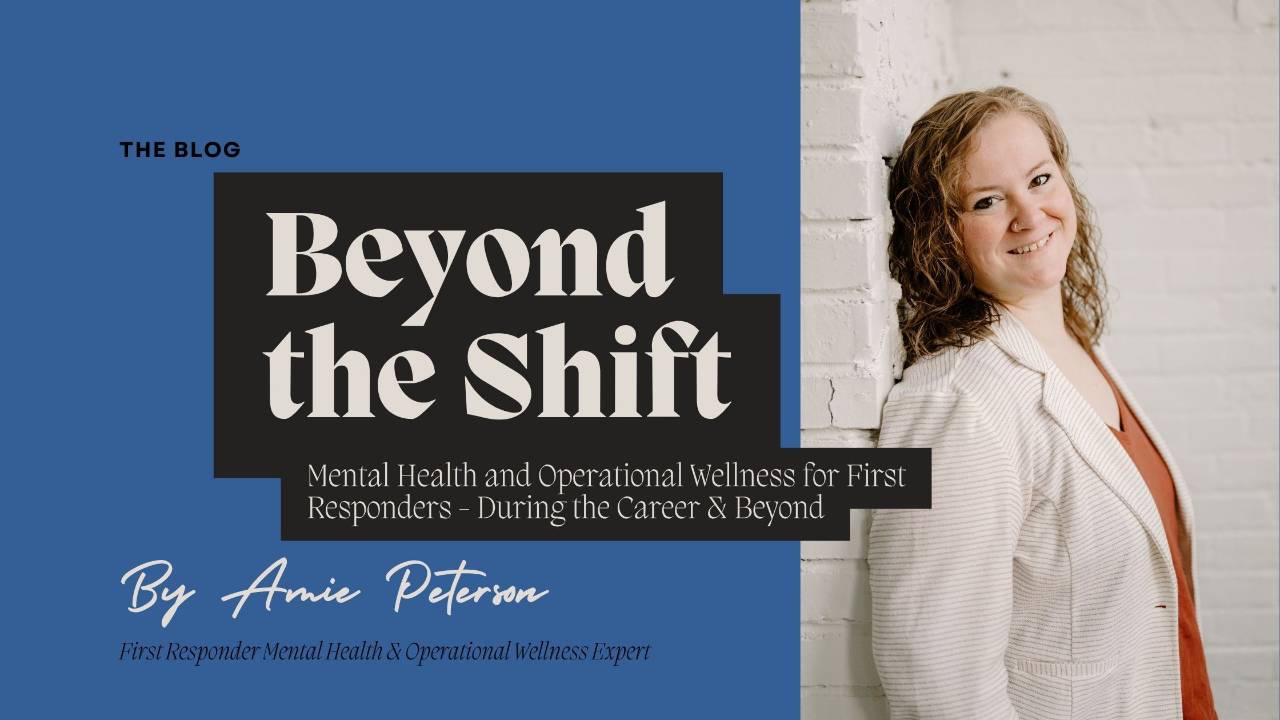
Depression can be treated with psychotherapy, medication, or a combination of both. The right approach depends on symptom severity, treatment history, personal preferences, medical considerations, and how depression is affecting everyday life. For someone exploring treatment resistant depression therapy, the first step is understanding why previous treatment hasn't provided enough relief and what options may be appropriate next.
For first responders, healthcare professionals, and people working in high-stress occupations, depression treatment also needs to account for occupational demands, unpredictable schedules, sleep disruption, and cumulative exposure to stressful experiences.
There isn't one treatment plan that works for everyone, and choosing medication doesn't mean therapy has failed. Likewise, choosing therapy doesn't mean someone is refusing appropriate medical care.
Should You Try Therapy, Medication, or Both for Depression?
Psychotherapy and antidepressant medications are established treatments for depression. Some people benefit from psychotherapy alone, others benefit from medication, and some benefit from combining the two.
The appropriate recommendation depends on a clinical assessment. Symptom severity, safety concerns, previous treatment experiences, medical history, and personal preferences all deserve consideration.
I'm Amie Peterson, a Licensed Mental Health Counselor and founder of Thin Line Therapy 206. I've worked in behavioral health since 2008, specializing in trauma treatment and culturally informed mental health care for first responders, healthcare professionals, military veterans, and their families.
In my work with high-stress professionals, I recognize that treatment decisions need to consider more than symptoms alone. Shift work, organizational pressures, family responsibilities, and the expectation that you'll keep functioning can all influence how someone approaches mental health care.
When might therapy be a reasonable starting point?
Psychotherapy may be an appropriate initial treatment for some people experiencing mild or moderate depression, depending on their clinical circumstances.
Therapy can help someone identify patterns that contribute to depressive symptoms, address withdrawal from meaningful activities, improve coping strategies, and work through relationship or occupational difficulties.
It also provides an opportunity to explore concerns that medication alone may not address, such as unresolved conflict, self-criticism, chronic stress, or trauma-related experiences.
When might medication be recommended?
Antidepressant medication may be considered when symptoms are persistent, moderate to severe, significantly affecting daily functioning, or haven't improved adequately with other treatment.
Medication decisions should be made with a qualified prescribing professional who can evaluate medical history, possible side effects, drug interactions, and other relevant factors.
At Thin Line Therapy 206, we provide counseling rather than medication management. When medication evaluation may be beneficial, treatment can involve coordination with an appropriate prescribing clinician.
What Are the Different Types of Depression Therapy?
Several evidence-based psychotherapy approaches are used to treat depression. Understanding the different types of depression therapy can help you ask informed questions before beginning treatment.
Cognitive behavioral therapy
Cognitive behavioral therapy, or CBT, helps people identify patterns of thinking and behavior that may contribute to depressive symptoms.
Treatment may address persistent self-criticism, hopeless thinking, avoidance, and behaviors that reinforce low mood.
Behavioral activation
Behavioral activation focuses on helping someone gradually reconnect with meaningful or rewarding activities.
Depression can make it difficult to feel motivated, and reduced activity can contribute to continued low mood. This approach helps people take manageable steps toward activities that support engagement and daily functioning.
Interpersonal psychotherapy
Interpersonal psychotherapy focuses on relationships and life circumstances that may be connected to depression.
It may address grief, major life changes, relationship conflict, and difficulties adjusting to changing responsibilities or roles.
Trauma-focused therapy
When depression occurs alongside PTSD or trauma-related symptoms, trauma-focused treatment may be appropriate.
At Thin Line Therapy 206, our clinical expertise includes EMDR, trauma-informed counseling, and treatment of cumulative occupational trauma.
EMDR for First Responders explains how EMDR is used in trauma treatment and why understanding first responder culture matters.
EMDR isn't automatically indicated for depression, and not everyone experiencing depressive symptoms needs trauma processing.
Can Depression Treatment Be Different for First Responders and Healthcare Professionals?
The evidence-based treatment principles remain important regardless of someone's profession. However, the circumstances surrounding treatment can look different for someone working in law enforcement, fire, EMS, dispatch, corrections, or healthcare.
A firefighter working rotating shifts may struggle with consistent sleep. A nurse may be experiencing emotional exhaustion after repeated exposure to suffering. A dispatcher may have difficulty disconnecting from work, while a law enforcement officer may be concerned about confidentiality or how treatment could affect professional responsibilities.
These factors don't automatically cause depression, but they can influence symptoms, treatment planning, and access to care.
One misconception I frequently encounter is that someone must have PTSD or experience a catastrophic event before seeking mental health treatment.
People often minimize their experiences with statements such as "I've seen worse," "It's just part of the job," or "I should be able to handle this."
Depression doesn't require a traumatic event, and someone can experience depression without PTSD.
At the same time, repeated exposure to stressful or traumatic situations may contribute to emotional difficulties that deserve assessment.
Being able to function professionally doesn't necessarily mean someone is doing well.
What Is Treatment-Resistant Depression Therapy?
Treatment-resistant depression generally refers to depression that hasn't improved adequately despite appropriate treatment attempts. A commonly used definition involves insufficient response to at least two adequate antidepressant trials, although definitions can vary.
If you've tried treatment and still feel depressed, that doesn't automatically mean you have treatment-resistant depression.
Before using that description, a qualified clinician should review the diagnosis, treatment history, medication doses and duration when relevant, medical concerns, sleep patterns, substance use, and other possible contributors.
What if I've tried therapy before and it didn't help?
A previous experience with counseling that didn't meet your needs doesn't necessarily mean all psychotherapy approaches will be ineffective.
Different treatment methods address different concerns. The therapeutic relationship, treatment goals, diagnosis, and whether the approach matches your symptoms can all matter.
For someone working in a high-stress profession, cultural understanding may also influence how comfortable they feel discussing their experiences.
If you're considering treatment resistant depression therapy, ask whether your current treatment plan needs reassessment, whether a different psychotherapy approach may be appropriate, and whether a medication consultation or additional evaluation would be beneficial.
Are there other treatments for depression that hasn't improved?
Yes. For some people with persistent or difficult-to-treat depression, specialized medical interventions may be considered.
Depending on the diagnosis and individual circumstances, these may include transcranial magnetic stimulation (TMS), electroconvulsive therapy (ECT), or certain medication-based treatments administered under medical supervision.
These interventions require evaluation by appropriately qualified medical professionals and aren't services provided by Thin Line Therapy 206.
The National Institute of Mental Health's depression resource explains established treatment options, including psychotherapy, medication, and other interventions.
What Questions Should I Ask Before Starting Depression Treatment?
You shouldn't have to understand every clinical term before seeking care. However, asking a few practical questions can help you make a more informed decision.
Consider discussing the following with your therapist or prescribing clinician:
-
What diagnosis best explains my symptoms?
-
Could sleep deprivation, trauma, anxiety, medical concerns, or substance use be contributing?
-
What treatment options are appropriate for my symptoms?
-
What are the potential benefits and limitations of psychotherapy, medication, or combined treatment?
-
How will we evaluate whether treatment is helping?
-
What should we do if my symptoms aren't improving?
-
How will treatment fit around shift work and unpredictable schedules?
-
If I receive both therapy and medication, how will my providers coordinate care?
For medication specifically, ask your prescriber about possible side effects, interactions, follow-up appointments, and what to do if a medication causes problems. Don't stop or change prescribed medication without discussing it with your prescribing clinician.
These questions can help establish a treatment plan that reflects your needs rather than relying on assumptions about what should work.
What Are Realistic Depression Therapy Goals?
Depression therapy goals should be individualized, meaningful, and connected to the areas of life affected by symptoms.
For first responders and healthcare professionals, treatment shouldn't be measured solely by whether someone can continue working.
Someone may be completing every shift while struggling to enjoy time with family, maintain relationships, or participate in activities that previously mattered.
Possible treatment goals include:
-
Increasing participation in meaningful activities.
-
Improving communication and emotional connection at home.
-
Reducing persistent self-criticism and hopeless thinking.
-
Addressing withdrawal and avoidance.
-
Developing healthier responses to occupational stress.
-
Improving sleep-related habits where appropriate.
-
Addressing co-occurring anxiety or trauma-related symptoms.
-
Identifying early warning signs of worsening depression.
Treatment progress may involve changes in symptoms, daily functioning, relationships, and quality of life. Improvement isn't always linear, and goals may need adjustment as treatment continues.
Should I Find a Therapist for Depression and Anxiety?
Depression and anxiety commonly occur together, and their symptoms can overlap.
Someone may experience persistent worry, physical tension, and difficulty relaxing while also feeling emotionally exhausted, unmotivated, or disconnected from activities they previously enjoyed.
If you're looking for a therapist for depression and anxiety, ask whether the clinician can assess both concerns and develop a treatment plan that considers how they interact.
For first responders and healthcare professionals, it's also worth discussing sleep disruption, occupational stress, and trauma exposure because these can complicate the clinical picture.
How Do I Find a Therapist for Depression Near Me?
Finding a therapist involves more than choosing the closest available office.
For someone in a high-stress occupation, it can be helpful to find a clinician who understands professional culture, confidentiality concerns, irregular schedules, and the pressures that come with responsibility for other people's safety or well-being.
When considering a therapist, ask about their experience treating depression, the approaches they use, and how they establish and monitor treatment goals.
Can I access depression counseling if I live in Seattle?
Yes. Telehealth can allow eligible clients to access specialized mental health treatment without living near the therapist's physical office.
For professionals in Seattle, Bellevue, Tacoma, and other Washington communities, this can expand the range of clinicians available to them.
Thin Line Therapy 206 is physically based in Walla Walla, Washington. We provide telehealth counseling throughout Washington, Oregon, and Minnesota, subject to clinician licensure and availability.
We also offer in-person counseling and EMDR Intensives in Walla Walla.
Our practice specializes in working with first responders, healthcare professionals, military veterans, other high-stress professionals, and their families.
Is this a good fit for you?
Counseling at Thin Line Therapy 206 may be appropriate if you're experiencing depression, anxiety, occupational stress, trauma-related symptoms, or relationship difficulties while working in a demanding profession.
It may also be helpful if you've previously participated in counseling and want an individualized assessment of your current needs and treatment goals.
Our approach is collaborative, straightforward, and grounded in evidence-based care. Christian counseling is available upon request.
However, our practice isn't a substitute for psychiatric medication management, specialized treatment-resistant depression interventions, emergency psychiatric services, or a higher level of care.
If your symptoms require those services, evaluation by an appropriate medical or mental health provider may be necessary.
Frequently Asked Questions About Depression Treatment
Is therapy or medication better for depression?
Neither is universally better for everyone. Psychotherapy and antidepressant medication are both established treatments for depression, and combined treatment may be appropriate for some individuals. The best approach depends on symptom severity, medical considerations, treatment history, personal preferences, and the recommendations of qualified healthcare professionals.
Can I attend therapy while taking antidepressants?
Yes. Many people participate in psychotherapy while taking prescribed antidepressant medication. Therapy and medication can address different aspects of depression, and coordinated treatment may be beneficial. Your therapist and prescribing clinician can communicate with appropriate consent to support consistent care and monitor concerns.
Does treatment-resistant depression mean therapy won't work?
No. Treatment-resistant depression generally describes an inadequate response to appropriate treatment attempts, commonly including antidepressant medication trials. It doesn't mean recovery is impossible or that all psychotherapy approaches will be ineffective. A comprehensive reassessment can help identify additional treatment options and determine whether specialized care is appropriate.
Can EMDR help if depression is connected to traumatic experiences?
EMDR may be appropriate when someone has PTSD or trauma-related symptoms alongside depression. However, EMDR isn't automatically the preferred treatment for depression itself. A clinical assessment should consider the person's symptoms, history, and treatment goals before recommending trauma-focused treatment or another evidence-based approach.
Do you provide medication management or depression counseling through telehealth?
Thin Line Therapy 206 provides counseling, not psychiatric medication management. We offer telehealth counseling throughout Washington, Oregon, and Minnesota, subject to clinician licensure and availability. Our practice is physically located in Walla Walla, Washington, where in-person counseling and EMDR Intensives are also available.
You Deserve a Treatment Plan That Considers Your Whole Life
If you're considering therapy, medication, or treatment resistant depression therapy because previous approaches haven't provided enough relief, you deserve a careful assessment of your symptoms and treatment options.
At Thin Line Therapy 206, we recognize that first responders, healthcare professionals, and other high-stress professionals often become very good at continuing to function under pressure.
But the purpose of mental health treatment isn't simply to keep someone capable of showing up for work.
It's to support a healthier, more sustainable life outside the job, too.
Our practice is based in Walla Walla, Washington, with in-person counseling available locally and telehealth counseling throughout Washington, Oregon, and Minnesota, subject to clinician licensure and availability.
Whether you're experiencing depression, anxiety, trauma-related symptoms, occupational stress, or relationship difficulties, our team can help you explore appropriate counseling options.
Learn more about Thin Line Therapy 206, our clinicians, and our counseling services.
You can also explore our specialized approach to EMDR for First Responders when trauma-related symptoms may be part of the clinical picture.
You don't have to determine the right treatment approach on your own before reaching out.
If you're in crisis, call or text 988 to reach the Suicide & Crisis Lifeline in the United States.
About the Author
Amie Peterson, LMHC, is the founder of Thin Line Therapy 206, PLLC, a specialty mental health counseling practice based in Walla Walla, Washington. With experience in behavioral health since 2008, she specializes in trauma treatment, EMDR, and culturally informed mental health care for first responders, healthcare professionals, military veterans, and their families. The practice provides in-person counseling in Walla Walla and telehealth services throughout Washington, Oregon, and Minnesota, subject to clinician licensure and availability.