
How to Know It's Time to See a Therapist for Anxiety
Nov 04, 2026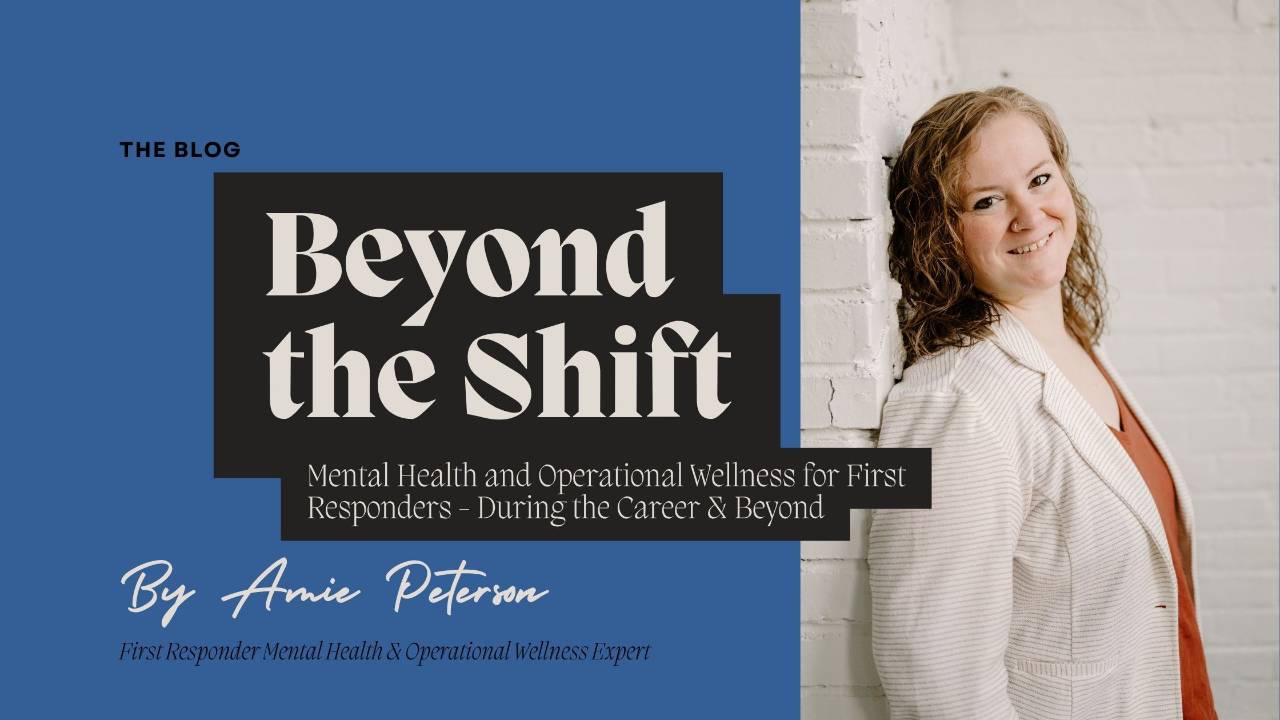
You should consider seeing a therapist for anxiety when worry, tension, irritability, or difficulty relaxing begins affecting your sleep, relationships, health, or quality of life. You don't need to have panic attacks, receive an anxiety diagnosis, or reach a crisis point before asking for help.
For first responders, healthcare professionals, and people working in high-stress occupations, recognizing when anxiety has become a problem can be particularly difficult. When your job requires you to remain composed, anticipate problems, and function under pressure, it's easy to convince yourself that what you're experiencing is simply part of the work.
But being able to function doesn't necessarily mean you're doing well.
How Do You Know When Anxiety Is More Than Normal Stress?
Everyone experiences anxiety occasionally. Feeling nervous before a difficult conversation, anticipating an important decision, or worrying about something uncertain doesn't automatically mean you have an anxiety disorder.
The distinction often involves how frequently anxiety occurs, how difficult it is to manage, and how much it interferes with your life.
I'm Amie Peterson, a Licensed Mental Health Counselor and founder of Thin Line Therapy 206. I've worked in behavioral health since 2008, specializing in trauma treatment and the mental health needs of first responders, healthcare professionals, military veterans, and their families.
In my work with these populations, one of the biggest challenges is helping people recognize that professional competence and emotional well-being aren't necessarily the same thing.
Someone can continue responding to emergencies, caring for patients, managing personnel, or making difficult decisions while privately experiencing significant anxiety.
What are the signs that anxiety may need professional attention?
Consider whether you've noticed any of the following:
-
You're constantly anticipating problems, even when you're off duty.
-
Your mind continues reviewing calls, patient interactions, or decisions after work.
-
You struggle to relax without feeling guilty or unproductive.
-
You're becoming more irritable or impatient with family members.
-
You have difficulty sleeping because your thoughts won't slow down.
-
You feel responsible for preventing every possible mistake.
-
You're avoiding situations, conversations, or responsibilities because of worry.
-
You're experiencing frequent muscle tension, restlessness, or physical discomfort.
-
You're relying increasingly on alcohol or other unhealthy coping behaviors to unwind.
-
Activities you previously enjoyed now feel exhausting or overwhelming.
Experiencing one or more of these symptoms doesn't automatically mean you have an anxiety disorder. Sleep deprivation, depression, trauma-related symptoms, medical conditions, and chronic occupational stress can produce similar experiences.
However, when these changes persist or begin interfering with daily life, a professional assessment may be worthwhile.
Why Do First Responders and Healthcare Professionals Wait So Long to Seek Help?
In many high-stress professions, the ability to remain calm under pressure is part of your professional identity.
Law enforcement officers are expected to assess threats and make decisions quickly. Firefighters and EMS professionals respond to unpredictable emergencies. Dispatchers manage urgent information while coordinating responses, often without seeing what is happening at the scene.
Nurses, physicians, and other healthcare professionals routinely manage uncertainty, make time-sensitive decisions, and care for people experiencing serious illness, injury, or distress.
These responsibilities require skill, judgment, and emotional control.
The problem develops when someone begins believing that because they can manage difficult situations professionally, they should also be able to manage every emotional challenge independently.
"I've seen worse. Why is this bothering me?"
One of the misconceptions I encounter in first responder mental health is that someone must experience a single catastrophic event or develop PTSD before seeking trauma-focused support.
People frequently minimize their experiences with statements such as "I've seen worse," "It's just part of the job," or "I should be able to handle this."
But repeated exposure to stress, human suffering, difficult decisions, and unpredictable situations can affect sleep, emotional regulation, relationships, and overall well-being.
Not every anxiety symptom is caused by trauma. Still, occupational experiences are an important part of the clinical picture, particularly when someone has spent years working in demanding environments.
You don't have to identify one specific incident or prove that your experiences were severe enough to justify asking for help.
Can You Have Anxiety Even If You're Still Doing Your Job Well?
Yes. Some people experience significant anxiety while continuing to perform exceptionally well professionally.
They may arrive early, prepare for every possibility, take on additional responsibilities, and rarely make mistakes. From the outside, they appear organized, dependable, and capable.
Internally, however, they may feel constantly worried, mentally exhausted, or unable to relax.
This pattern is sometimes described as high-functioning anxiety, although that isn't an official mental health diagnosis.
For someone working in a high-responsibility profession, it can be difficult to recognize when preparation has become excessive worry or when professional vigilance has become difficult to turn off.
A useful question isn't simply, "Am I still doing my job?"
It's also, "What is it costing me to keep doing my job this way?"
When Does Anxiety Start Affecting Your Life Outside Work?
One of the clearest reasons to consider counseling is when anxiety begins affecting areas of life that have nothing to do with professional performance.
You might remain patient and composed during a difficult shift but become frustrated by ordinary household noise. You may spend the day making critical decisions and then feel overwhelmed when your spouse asks what you want for dinner.
Sometimes even deciding between pizza and tacos feels like one decision too many.
These experiences don't automatically indicate an anxiety disorder. Chronic stress, insufficient recovery, sleep deprivation, and emotional exhaustion may also contribute.
But when the pattern becomes persistent, it's worth examining.
Can anxiety affect your marriage or relationships?
Absolutely. Anxiety can contribute to irritability, reassurance-seeking, emotional withdrawal, difficulty communicating, and conflict over responsibilities.
For first responder and healthcare families, rotating shifts, unpredictable schedules, fatigue, and different recovery needs can add another layer.
One partner may need quiet after work while the other wants connection. Without understanding what is happening, both can begin interpreting the other's behavior negatively.
Couples and marriage counseling may be helpful when anxiety and occupational stress are affecting communication or emotional connection.
Our clinical team includes Gottman Method couples counseling training and experience working with first responder families.
What If My Anxiety Is Actually Burnout, Depression, or Trauma?
Anxiety, burnout, depression, and trauma-related symptoms can overlap, but they aren't interchangeable.
Anxiety may involve excessive worry, difficulty managing uncertainty, restlessness, avoidance, or physical tension. Depression may involve persistent low mood, loss of interest, fatigue, and changes in sleep or concentration.
Burnout is associated with chronic workplace stress and can involve exhaustion, increased cynicism or mental distance from work, and reduced professional effectiveness.
PTSD involves a specific pattern of symptoms following traumatic exposure.
These concerns can also occur together, which is one reason an individualized assessment matters.
For first responders and healthcare professionals, understanding cumulative occupational stress is particularly relevant. Someone may experience years of difficult calls, patient deaths, critical incidents, organizational conflict, or unpredictable working conditions without recognizing how those experiences have affected them.
When traumatic experiences are contributing to ongoing symptoms, EMDR for First Responders may be an appropriate treatment option.
EMDR is an evidence-based treatment for PTSD, but not everyone experiencing anxiety needs trauma-focused treatment. The appropriate approach depends on the person's symptoms, history, and treatment goals.
How Long Should You Wait Before Seeing a Therapist for Anxiety?
There's no requirement that anxiety reach a particular level of severity before you seek counseling.
You don't need to wait until your relationships are falling apart, your work performance declines, or you're experiencing panic attacks.
If anxiety is persistent, difficult to manage, or interfering with your sleep, health, relationships, or quality of life, an assessment can help clarify what's happening.
You can also seek counseling before symptoms become severe, particularly if you recognize patterns that have become increasingly difficult to manage.
What if I think I should be able to handle this myself?
Being capable of managing difficult situations doesn't mean you should have to manage every challenge without support.
For many people in high-stress professions, self-reliance is deeply connected to professional identity. Asking for help may feel uncomfortable, especially when you're accustomed to being the person others depend on.
In my work, I emphasize that treatment isn't about taking away someone's independence or professional strengths.
It's about understanding what's contributing to their symptoms and identifying approaches that support healthier functioning both at work and outside it.
What Kind of Therapy Helps With Anxiety?
The best treatment approach depends on the symptoms you're experiencing, what may be contributing to them, and your individual goals.
Individual counseling for anxiety
Individual counseling can help people identify patterns of excessive worry, avoidance, perfectionism, and difficulty tolerating uncertainty.
Evidence-based treatments such as cognitive behavioral therapy (CBT) are commonly used for anxiety disorders. The National Institute of Mental Health provides additional information about anxiety symptoms, diagnosis, and treatment.
At Thin Line Therapy 206, treatment planning considers the whole person, including occupational demands, sleep, relationships, trauma history, coping patterns, and personal circumstances.
EMDR therapy for trauma-related anxiety
When traumatic experiences are contributing to current symptoms, EMDR may be appropriate.
Our practice specializes in trauma-focused treatment for first responders and other high-stress professionals. We also offer EMDR Intensives for individuals who may benefit from an extended treatment format following clinical assessment.
EMDR Intensives aren't automatically appropriate for every anxiety concern. Treatment recommendations depend on clinical needs, readiness, and individual circumstances.
What about a holistic anxiety therapist?
People searching for a holistic anxiety therapist may want someone who considers how their mental health is influenced by work, relationships, sleep, physical well-being, and personal values.
Our approach is collaborative, individualized, and grounded in evidence-based treatment while recognizing these broader influences.
We also offer Christian counseling upon request for clients who want their faith incorporated into treatment.
How Do I Find an Anxiety Therapist Near Me Who Understands My Profession?
If you're searching for an anxiety therapist near me, it's worth considering more than the distance between your home and the therapist's office.
For first responders, healthcare professionals, and people working in high-responsibility careers, cultural understanding can be particularly important.
You may want someone who understands the realities of rotating shifts, mandatory overtime, confidentiality concerns, cumulative trauma, and the expectation that you'll continue performing even when you're struggling.
Questions worth asking include:
-
Do you have experience working with first responders or healthcare professionals?
-
How do you distinguish anxiety from burnout, PTSD, or occupational stress?
-
What treatment approaches do you use for anxiety?
-
How do you address confidentiality concerns?
-
Do you offer telehealth for people with demanding schedules?
-
How will we determine whether treatment is helping?
If you're searching for therapy for anxiety and depression near me, consider whether the clinician can assess and treat both concerns when they occur together.
Can I see a specialized therapist if I live in Seattle or elsewhere in Washington?
Yes. You don't necessarily need to find a therapist with a physical office in your immediate community.
For professionals living in Seattle, Bellevue, Tacoma, and other communities throughout Washington, telehealth can expand access to clinicians with specialized experience.
Thin Line Therapy 206 is physically located in Walla Walla, Washington. We provide telehealth counseling throughout Washington, Oregon, and Minnesota, subject to clinician licensure and availability.
This allows eligible clients across these states to access specialized mental health counseling without traveling to our office.
We also offer in-person counseling and EMDR Intensives in Walla Walla, Washington.
Our practice specializes in working with law enforcement officers, firefighters, EMS professionals, dispatchers, corrections personnel, search and rescue teams, healthcare professionals, military veterans, and their families.
What If My Child or Spouse Is the One Experiencing Anxiety?
Anxiety doesn't affect only the person working in a demanding profession. Families can experience their own stress related to unpredictable schedules, separation, occupational concerns, and changes in communication or emotional availability.
For parents looking for a childhood anxiety therapist, treatment should consider the child's developmental stage, family environment, school experiences, and individual symptoms.
Our clinical team includes professionals with training in child and adolescent mental health and Trauma-Focused Cognitive Behavioral Therapy (TF-CBT).
For couples, counseling may help address relationship patterns affected by anxiety, stress, and communication difficulties.
The appropriate treatment depends on who is experiencing symptoms and what kind of support is needed.
Is this a good fit for you?
Counseling at Thin Line Therapy 206 may be a good fit if you're a first responder, healthcare professional, military veteran, or other high-stress professional who is experiencing persistent anxiety, occupational stress, emotional exhaustion, or difficulty separating work from personal life.
It may also be appropriate if you're continuing to perform well professionally but noticing that your sleep, relationships, mood, or overall quality of life has changed.
You don't need to have PTSD or identify a single traumatic experience to explore counseling.
However, our practice may not be the right fit for someone requiring emergency psychiatric care, a higher level of treatment, specialized medication management, or services outside our clinicians' scope.
A consultation and assessment can help determine whether our team is an appropriate match.
Frequently Asked Questions About Seeing a Therapist for Anxiety
1. How do I know if my anxiety is serious enough for therapy?
Consider counseling when anxiety is persistent, difficult to manage, or affecting your sleep, relationships, health, or daily functioning. You don't need panic attacks or a formal diagnosis to seek support. A mental health professional can assess your symptoms and help determine whether treatment is appropriate.
2. Can first responders develop anxiety without experiencing a major traumatic event?
Yes. Anxiety can develop for many reasons, including chronic occupational stress, personal circumstances, health concerns, and repeated exposure to demanding situations. A single traumatic event isn't required. A clinical assessment can help distinguish anxiety symptoms from PTSD, burnout, sleep deprivation, or other concerns that may require different approaches.
3. Should I see a therapist for anxiety or depression?
If you're experiencing persistent worry, low mood, loss of interest, fatigue, irritability, or changes in sleep, a mental health assessment can help clarify what's happening. Anxiety and depression can occur together, and some symptoms overlap. You don't need to determine your diagnosis before contacting a therapist.
4. Can couples therapy help if anxiety is affecting my relationship?
Couples therapy may help when anxiety contributes to communication difficulties, reassurance-seeking, emotional withdrawal, or recurring conflict. Counseling can support partners in understanding each other's experiences and developing healthier interaction patterns. Individual counseling may also be recommended when one partner needs focused treatment for significant anxiety symptoms.
5. Do I need to live in Walla Walla to receive counseling from Thin Line Therapy 206?
No. Our practice is based in Walla Walla, Washington, but provides telehealth counseling throughout Washington, Oregon, and Minnesota, subject to clinician licensure and availability. Eligible clients in Seattle and other communities can access specialized counseling remotely. In-person counseling and EMDR Intensives are available in Walla Walla.
6. What happens during my first therapy appointment for anxiety?
An initial appointment generally involves discussing your symptoms, relevant history, current stressors, treatment goals, and questions about counseling. Your clinician may also explore sleep, relationships, occupational demands, and other factors affecting your well-being. Together, you can begin identifying appropriate treatment options and whether the therapeutic relationship is a good fit.
You Don't Have to Wait Until Everything Falls Apart
If you've been searching for an anxiety therapist near me because you're beginning to recognize that something isn't working the way it used to, that's a reasonable time to explore your options.
At Thin Line Therapy 206, we understand that first responders, healthcare professionals, and people in high-stress occupations often become exceptionally good at functioning under pressure. But being able to keep going doesn't mean the stress isn't affecting you.
Our goal isn't simply to help you continue performing at work. It's to provide individualized, culturally informed mental health treatment that considers your professional responsibilities and the life you want outside your career.
Thin Line Therapy 206 is based in Walla Walla, Washington, with telehealth counseling available throughout Washington, Oregon, and Minnesota, subject to clinician licensure and availability. We also offer in-person services in Walla Walla.
If you're considering counseling for anxiety, trauma, occupational stress, burnout, or relationship difficulties, we invite you to learn more about our clinicians and treatment options.
Explore Thin Line Therapy 206 and our counseling services.
You can also learn more about our specialized approach to EMDR for First Responders.
You spend a significant part of your life responding to other people's needs. Your own mental health deserves attention, too.
If you're in crisis, call or text 988 to reach the Suicide & Crisis Lifeline in the United States.
About the Author
Amie Peterson, LMHC, is the founder of Thin Line Therapy 206, PLLC, a specialty mental health counseling practice based in Walla Walla, Washington. With experience in behavioral health since 2008, she specializes in trauma treatment, EMDR, and culturally informed mental health care for first responders, healthcare professionals, veterans, and their families. Her practice offers in-person counseling in Walla Walla and telehealth services throughout Washington, Oregon, and Minnesota, subject to clinician licensure and availability.